IMMERSE Symposium 2026 · UIUC · April 28–29
Constraints, not Freedom
Designing Virtual Environments for Distributed Co-Creation
Dual Ph.D. candidate
Informatics · University of Illinois Urbana-Champaign
Science and Technology in Archaeology and Cultural Heritage · The Cyprus Institute
Meta spent tens of billions building Horizon Worlds, possibly the largest ever investment in user-directed virtual environments, but is now winding it down amid low engagement. Meanwhile, much cruder worlds in Minecraft, Roblox, and Fortnite Creative thrive. For immersive computing, the design challenge persists:
How can we make user-generated content (UGC) systems worth investing real time and attention in?
We introduce interaction architecture as a framework to answer. Across a decade of design-research projects on user-directed creative platforms, we discovered a “blank-slate paradox”: maximizing a user’s freedom can undermine the creative ecology in which they participate. Constraints enable creativity: users prefer to mod, hack, and remix committed material rather than generate from nothing.
We respond with five productive constraint patterns — spatial, propositional, relational, technical, thematic — for structuring, motivating, and moderating distributed co-creation in real-world deployments. Two demos accompany this poster. SOUP: international artists start from identical virtual “rooms” and define only images and sounds to make them theirs. Nicosia International Airport: a two-year museum installation where visitors reshaped a virtual reconstruction with their own memories.
Virtual environments are infrastructure for distributed co-creation, and interaction architecture draws on traditions in architecture, theater, and games to advance their design.
Spatial Integrating site conditions
Analogous to: Pokémon GO · geocaching · site-specific works · place attachment · locative media · genius loci
Place doesn’t host the work; it constitutes it. The site supplies creators with atmosphere, scope, and a set of materials to compose against, while co-presence becomes the audience’s only way to encounter what was made.
Wikar 2019–2023
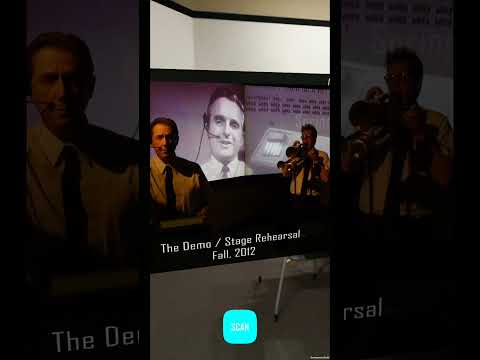
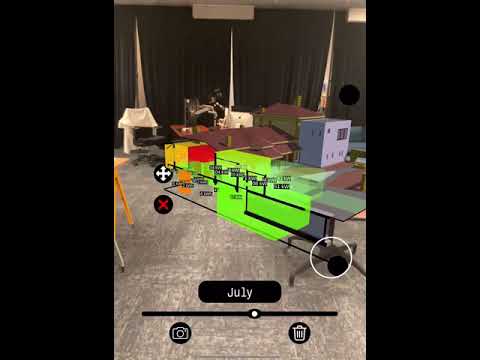
Wikar is an AR system that ties cloud-hosted 3D content to physical sites through QR codes. Visitors must be on-location to access; the content is unavailable except through co-presence with the site.
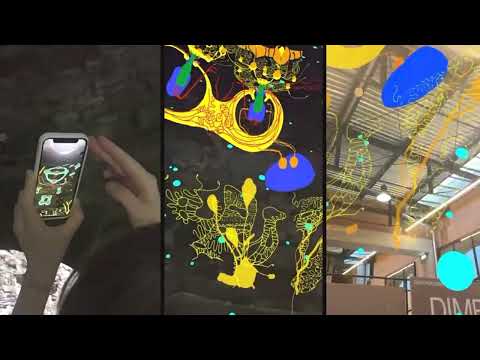
Deployments include the Augmented Dreams AR Sculpture Park (Graz, 2022), Erwin Wurm exhibitions (2021), and Eva Schlegel installations (2022). Built at the National Center for Supercomputing Applications, eDream and Fiddler Foundation supported.
Propositional Reacting to authority
Analogous to: creator–fan dynamics · fact-checking · pull-request review · wikis / wiki surveys · reception theory · boundary object
Propositions operationalize asymmetry between creator and audience. Through careful composition, a creator’s materials can become instruments that focus, then collect, audience reactions as research contributions.
Nicosia International Airport 2024–
Our research on the lost-but-significant Nicosia International Airport combines extensive onsite documentation with archival synthesis, toward a virtual reconstruction set in 1969. The modernist terminal opened in 1968 as a showpiece of Cyprus’s new independence; it operated for six years before the 1974 conflict sealed it within the UN buffer zone, where it remains physically inaccessible but vivid in living memory.
In 2021, with the support of UNFICYP, the Cyprus Institute conducted full LiDAR scanning of the terminal: a final record of the physical building as it turns to ruin.
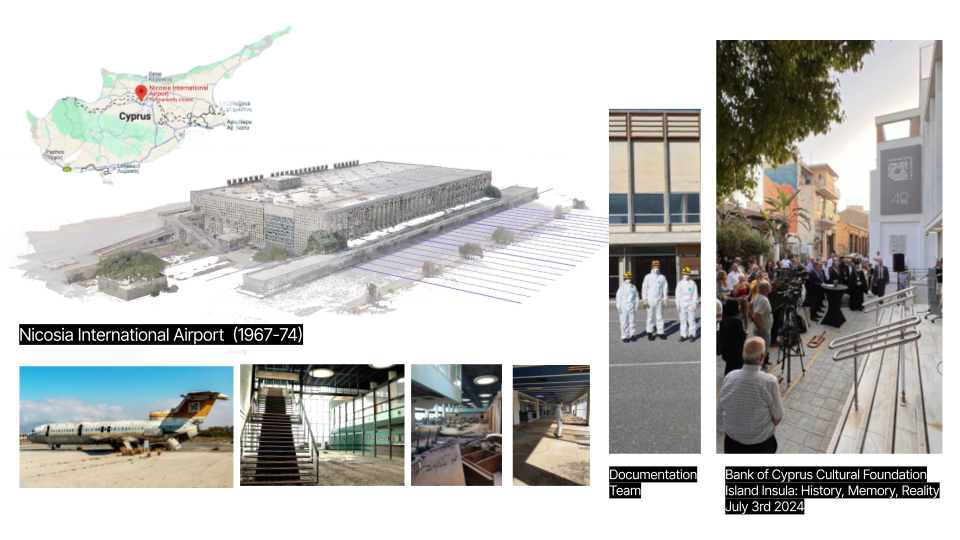
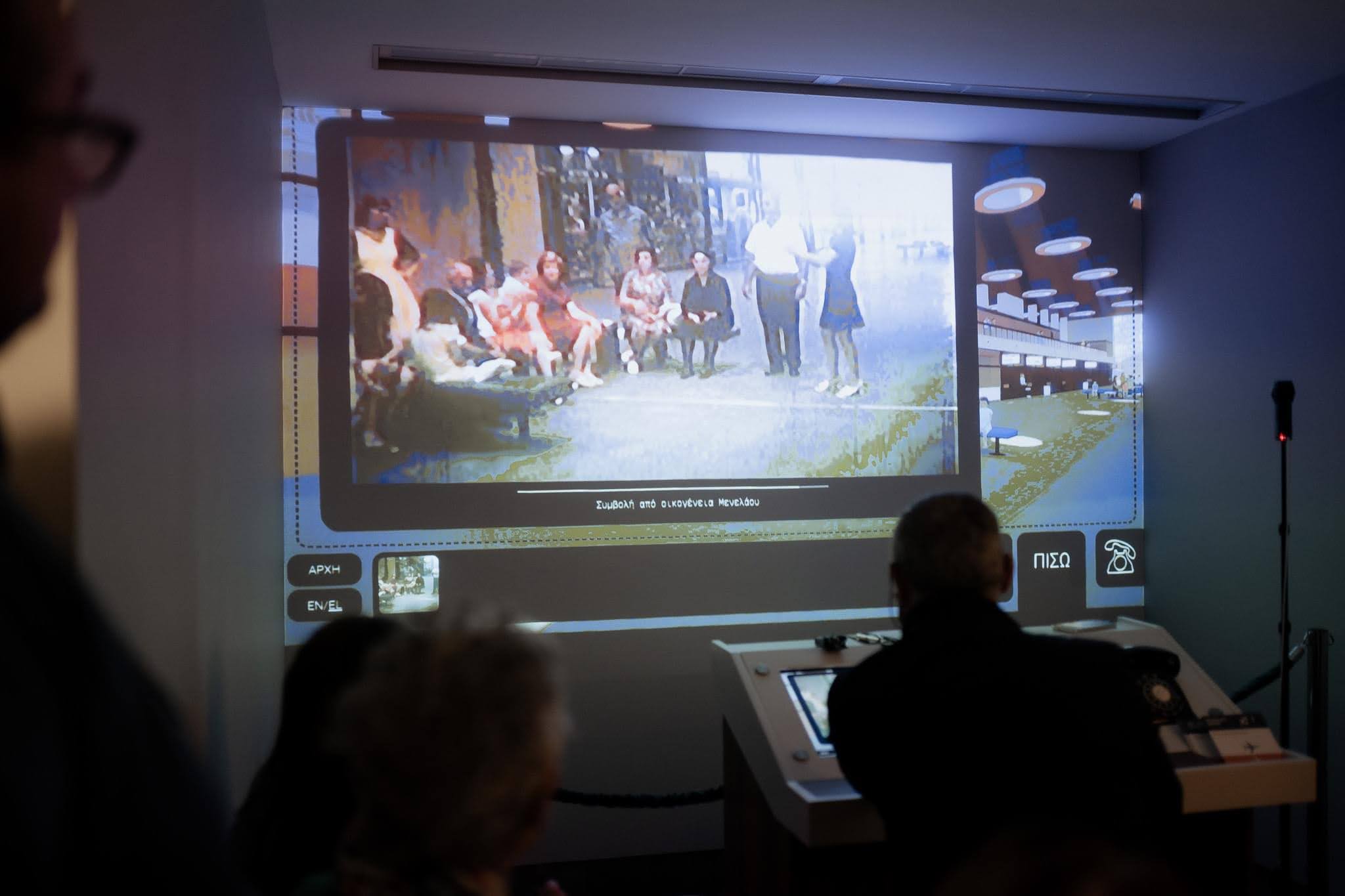
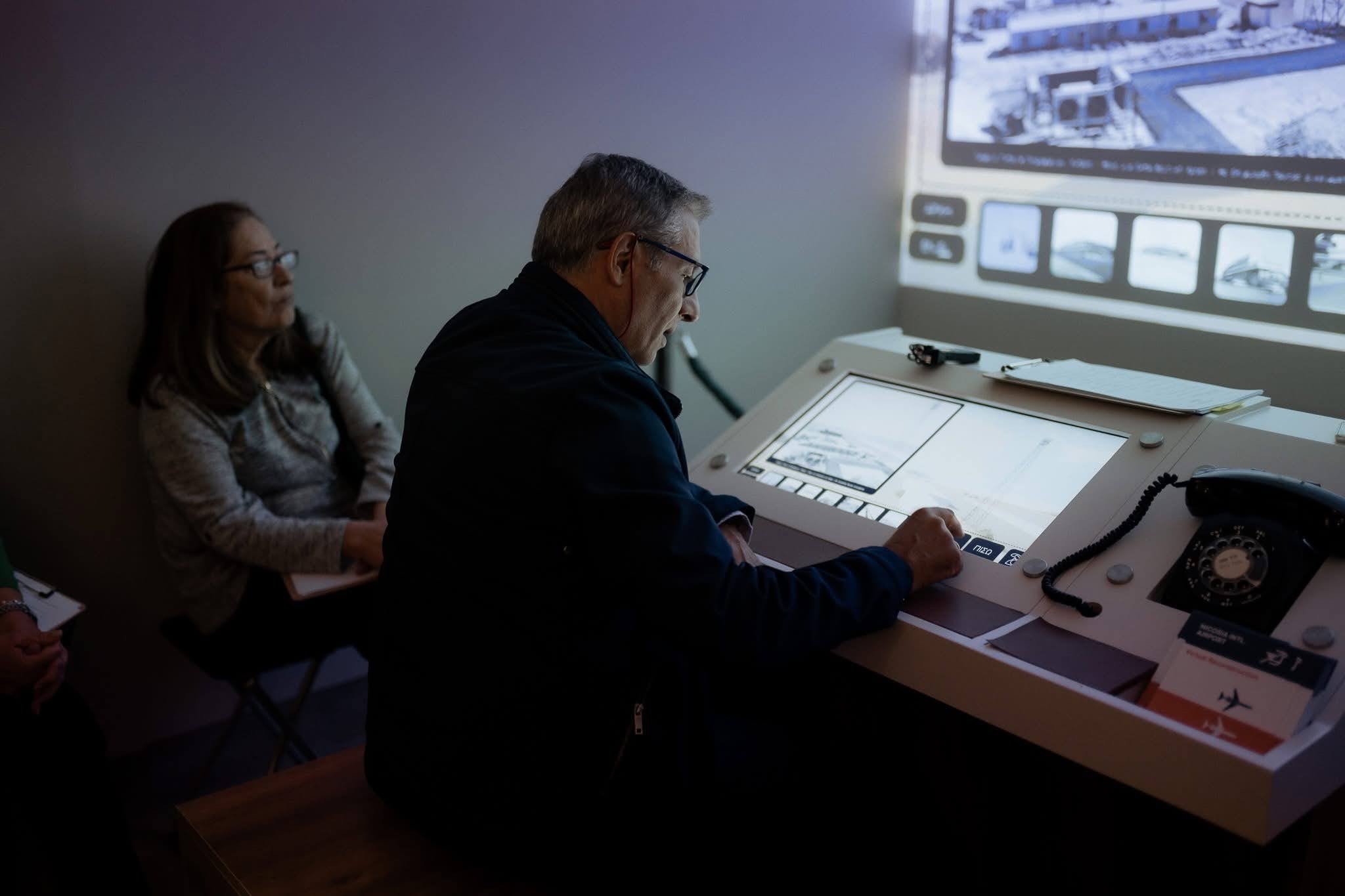
An immersive museum installation at the Bank of Cyprus Cultural Foundation serves as a platform to present this work-in-progress digital twin and to integrate publicly contributed memories and personal media as part of the museum’s daily operation. We positioned the public as experts who could help us complete it.
Over two years in exhibition, the public contributed 300+ oral testimonies alongside corrections and uploaded media, allowing us to integrate previously undocumented details into the virtual reconstruction and dataset for posterity.
This offers a methodology for digital heritage that aligns with institutional commitments toward public engagement.
Relational Building off one another
Analogous to: telephone (game) · open-source forks · improv “yes, and” · exquisite corpse · renga · stigmergy
Every entry inherits a predecessor. That handoff scaffolds invention and absorbs blank-page fatigue, and the chain’s visible structure lets audiences read each new move as a response to what came before.
C.H.A.I.N. Series 2020 · 2022 · 2025–
We organize experimental projects where hundreds of distributed game developers work collaboratively without oversight. The projects’ relational structures and rules coordinate at scale.
Three iterations: C.H.A.I.N. (2020) chained sequential games; C.H.A.I.N.G.E.D. (2022) introduced branching narrative forks across 40+ developers; C.H.A.I.N. 3 is currently under development, connecting 120+ developers’ worlds through spatial doors. Peers check each other’s work through QA tools and analytics in a coordinating software layer.
See live C.H.A.I.N. 3 development in our dashboard
C.H.A.I.N. 3 (2025) · C.H.A.I.N.G.E.D. (2022) · C.H.A.I.N. (2020)
EGW @ GDC 2024 presentation · Game Developer interview (CHAINGED)
Technical Overcoming set restrictions
Analogous to: Instagram’s 1:1 frame · Twitter character count · Minecraft / Sims abstraction · demoscene · fantasy consoles · Oulipo
A fixed format cuts both ways. It frees creators from the labor of inventing the substrate and provokes ingenuity through the resistance it offers, while uniformity across entries makes that ingenuity legible to audiences as such. It’s a small proof of a big idea: the tighter the box, the wilder the thinking inside it.
SOUP rooms 2007–
SOUP is a rigid creative format lifted from a 2007 artware game. Its 35 subsequent releases include 300+ rooms, showing how set technical constraints can scale participation and reward ingenuity. Contributors define their cube-shaped “rooms” with images and sounds. This demo selects from 120 rooms in SOUP ROOMS (2025) to highlight the creative tactics that emerged.
SOUP-making has become a charrette exercise in game design studios because it teaches the fundamentals of game assets, collaborative work, and creative economy.
Thematic Fitting into a scene
Analogous to: scenes · genres · gallery shows · peer review · community of practice · habitus
Belonging is the design. A scene gives creators an identity to push against and an audience that already cares; shared aesthetic conventions make scene-fit, or its refusal, visible at a glance.
Haunted PS1 Demo Disc 2020–23
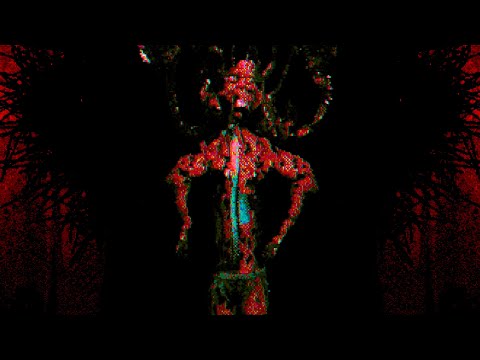
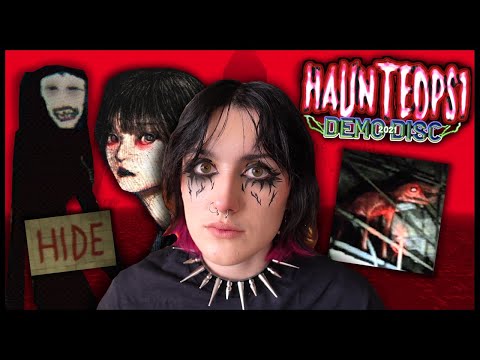
The Haunted PS1 is a freeware indie game collective that curates submissions to a resurrected “90s demo disc” release, generating overwhelming interest from developers.
Our 4800+ members became a “community of practice” with creative gravity, pulling competing creatives towards experimentation.
HPS1 is a “scene” that supports small-scale creatives with a clear venue and an engaged audience.
Haunted PS1 on itch.io · Wikipedia · Fan wiki
Demo discs I built: Spectral Mall (2022) · Demo Disc 2021
Materials Poster PDF, slides, submitted abstract.
Contact Author and acknowledgments.
Colter Wehmeier
Dual Ph.D. candidate
Informatics · University of Illinois Urbana-Champaign
Science and Technology in Archaeology and Cultural Heritage · The Cyprus Institute
wehmeie2@illinois.edu · portfolio.colter.us
Credits & partners
Nicosia International Airport VE was developed at the Virtual Environments Laboratory of The Cyprus Institute, in the context of DARIAH-EU and its UDigiSH Working Group (Digital Practices for the Study of Urban Heritage). The exhibition was hosted by the Bank of Cyprus Cultural Foundation in Nicosia.
Wikar was supported by the National Center for Supercomputing Applications and its Advanced Visualization Laboratory, the eDream Institute, and the Fiddler Foundation. It is built on NCSA’s Clowder cloud infrastructure for user management, content delivery, and analytics.
C.H.A.I.N. and Haunted PS1 Demo Disc work is part of the Haunted PS1 community.